
About
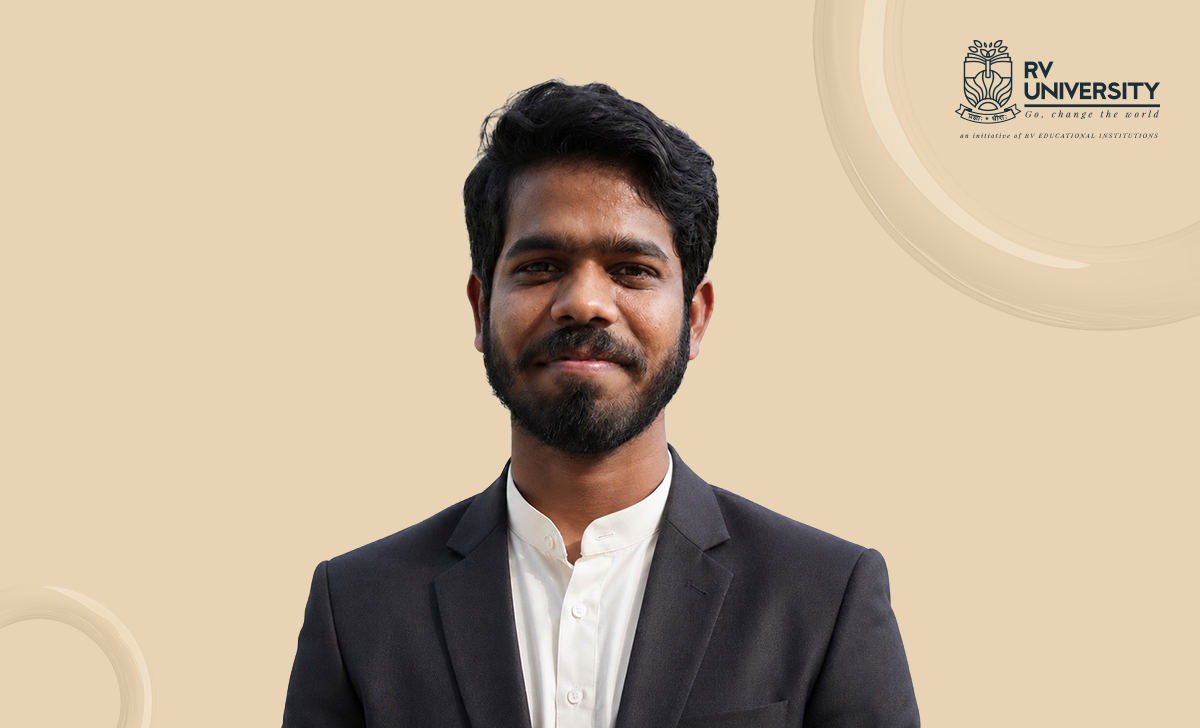
Sonu Kumar is practicing artist and Design educator with an academic and professional background in Visual Arts, Painting, and Design Education. He holds a Bachelor of Fine Arts in Painting from the College of Art, Delhi, and a Master’s in Drawing and Painting from IGNOU. He has also qualified UGC NET in Visual Art and is currently pursuing a Ph.D. at Lovely Professional University (LPU).
His academic and professional interests span visual arts, design pedagogy, contemporary art practices, visual culture, interdisciplinary art, materiality, semiotics, and practice-based research.
As an educator, he has experience teaching courses including Visualisation and Representation, Design and Environment, World Design History, Indian Design History, India Urban and Design, Fundaments of design, and Character Design. His teaching approach integrates theoretical understanding with studio practice, observation, experimentation, field studies, workshops, and critical discussions.
Alongside teaching, he actively participates in exhibitions, workshops, academic events, and interdisciplinary art initiatives. His professional engagement includes student mentoring, curriculum development, workshops, exhibitions, and academic administration.
His current research interests focus on the relationship between art, design, materiality, technology, and pedagogy, with an emphasis on developing interdisciplinary and practice-based approaches to research in contemporary visual arts and design.
Research Focus: Examines the role of practicing artists in Indian schools and how their participation can enrich art education beyond conventional classroom teaching.
Community Engagement: Investigates how artists can connect schools with local communities, cultural practitioners, craftspeople, parents, and neighbourhood networks through collaborative art practices.
Artist–Student Interaction: Studies how direct interaction with artists influences students’ creativity, visual thinking, critical thinking, cultural awareness, and confidence.
Participatory Art Practices: Explores workshops, collaborative murals, community art projects, storytelling, craft practices, exhibitions, performances, and site-specific activities as approaches to participatory learning.
Local Knowledge: Examines how artists can bring regional art traditions, indigenous knowledge, local crafts, cultural narratives, and community histories into school education.
Role of the Artist: Investigates the artist not merely as a visiting instructor but as a facilitator, collaborator, mentor, researcher, and cultural mediator within the school community.
School–Community Relationship: Explores whether artist-led projects can strengthen relationships between schools and their surrounding communities and create more socially connected learning environments.
Pedagogical Dimension: Studies how community-based artistic practices can complement existing art curricula and encourage experiential, collaborative, interdisciplinary, and student-centred learning.
Indian Context: Considers the diversity of Indian educational and cultural contexts, including differences in urban and rural schools, access to cultural resources, local traditions, and institutional structures.
Research Gap: Identifies the need for systematic research on how sustained artist–school–community collaborations can be integrated into Indian education rather than remaining limited to short-term workshops or isolated cultural programmes.
Expected Contribution: The research aims to develop a framework/model for meaningful community participation of artists in schools in India, offering recommendations for schools, educators, artists, cultural organisations, and policymakers.
Research Interests
Indian crafts , interdisciplinary art practices , design pedagogy , curriculum
Exhibition’s
Lalit Kala academy, Delhi 2024- group exhibition by camel art foundation
Jahangir art gallery , Mumbai 2025- organised by Bombay art society .
Assistant Professor
School of Design and Innovation
-
 Bengaluru
 Academics
 Admissions
 Faculty
 Enquire